Tel:86-0769-81511566
Fax:86-0769-81511566
E-mail:salea@ggdlighting.com
Web:www.ggdlighting.com
Address:No. No. 6, Beiyuan Road, Jianghai District, Jiangmen City, Guangdong Province

|
|
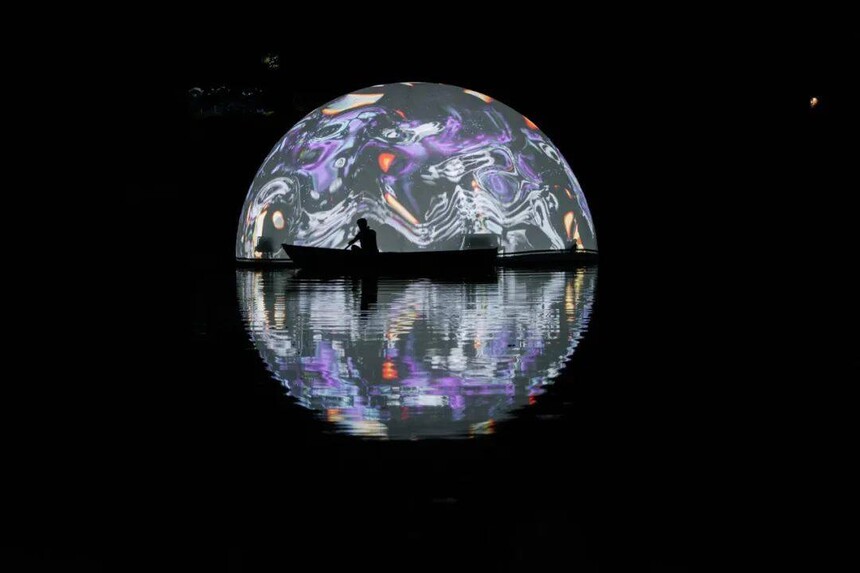
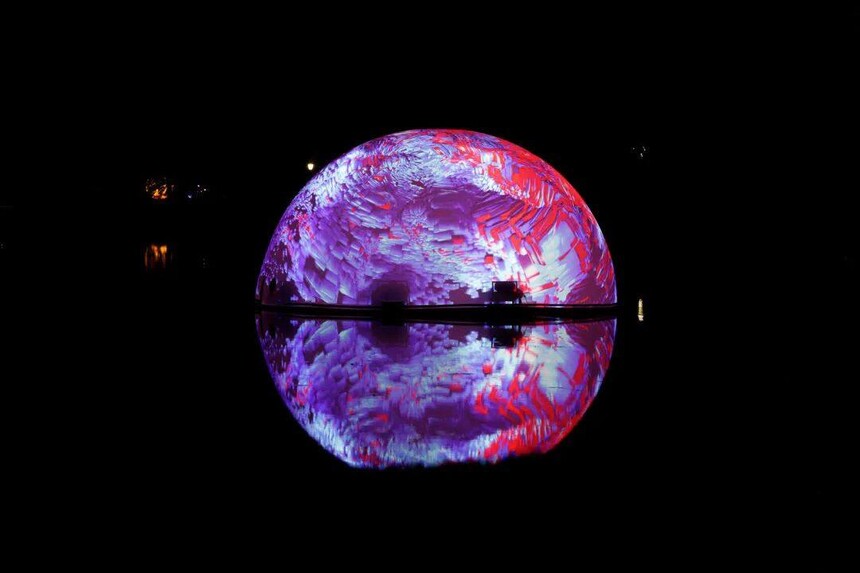
The "Night of Light" International Light Art Festival was held at the Gatchina Palace and Park in Leningrad Oblast, Russia.During the event, designers, architects, and engineers from Russia, Belarus, Lebanon, and other countries showcased more than 30 works of art created using light and innovative technologies.
▲ Work "A♥B"
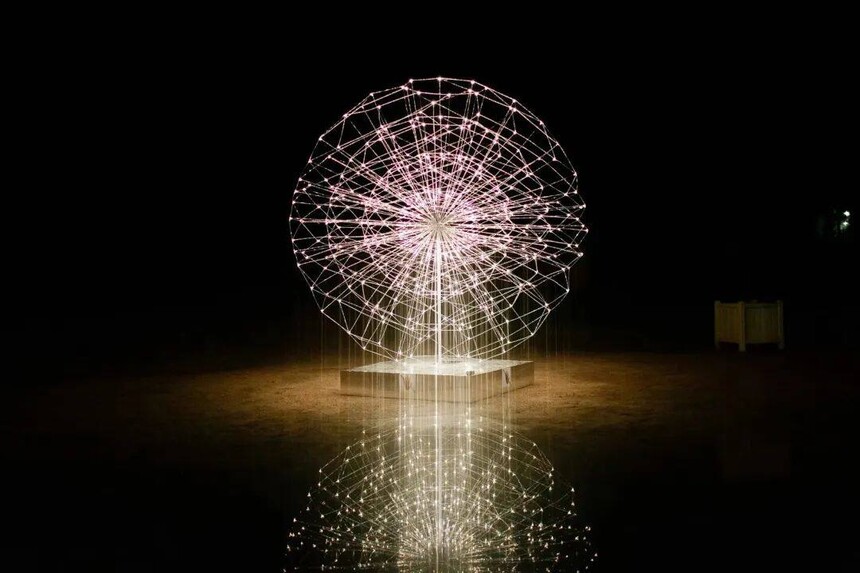
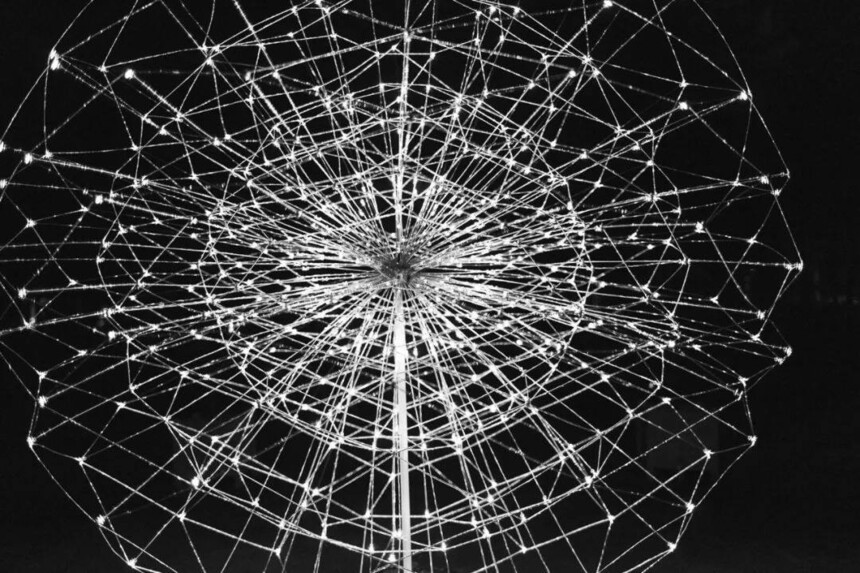
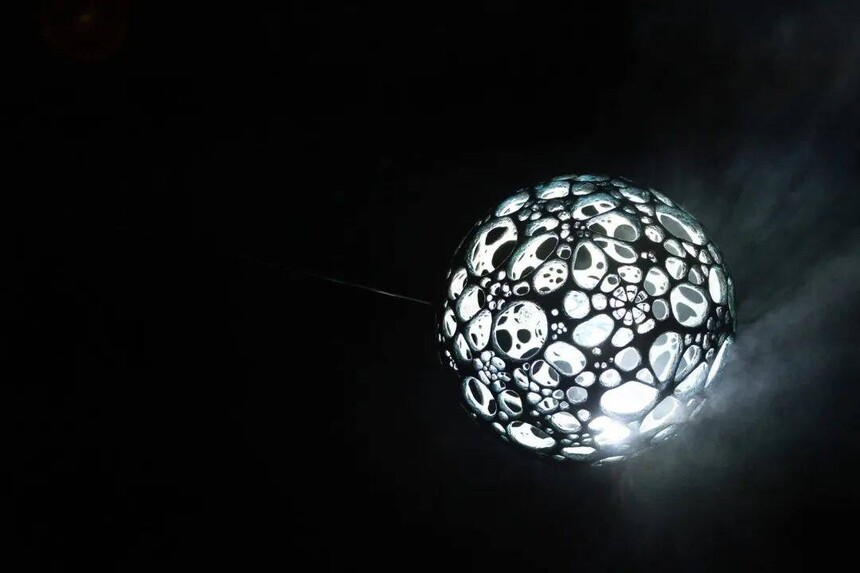
▲ Work "Human Tile" This event is part of the 4th International Competition for Light Installations, Video Art, and Video Mapping, which is still in the voting phase on the official website. The results will be announced in September. Below is a look at the visual feast combining art and technology brought by this light art festival. "Fireball" This installation symbolizes the core—it emits warmth and invites the audience to "dialogue" with it. Equipped with interactive sensors, the lighting device glows brighter when people approach. If people join hands to form a circle around the core, the "Fireball" will burst with maximum brightness, embodying the power of unity.
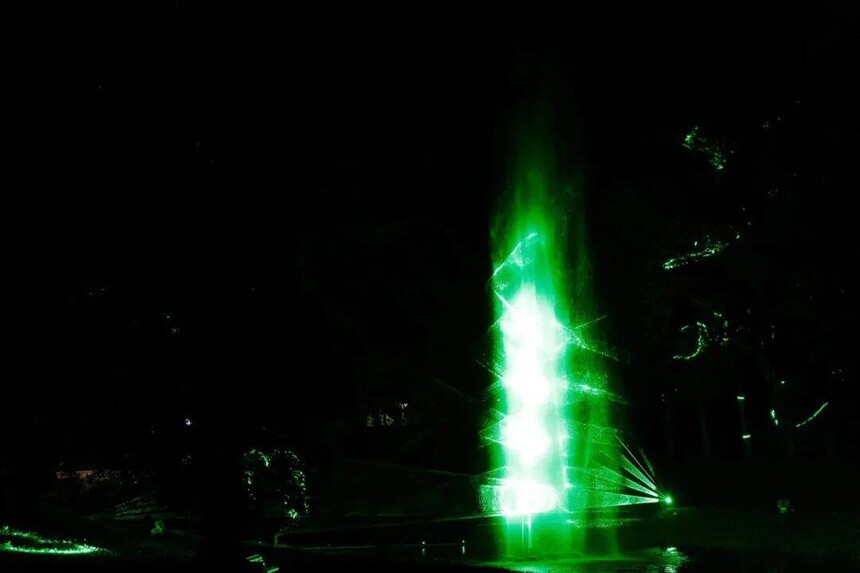
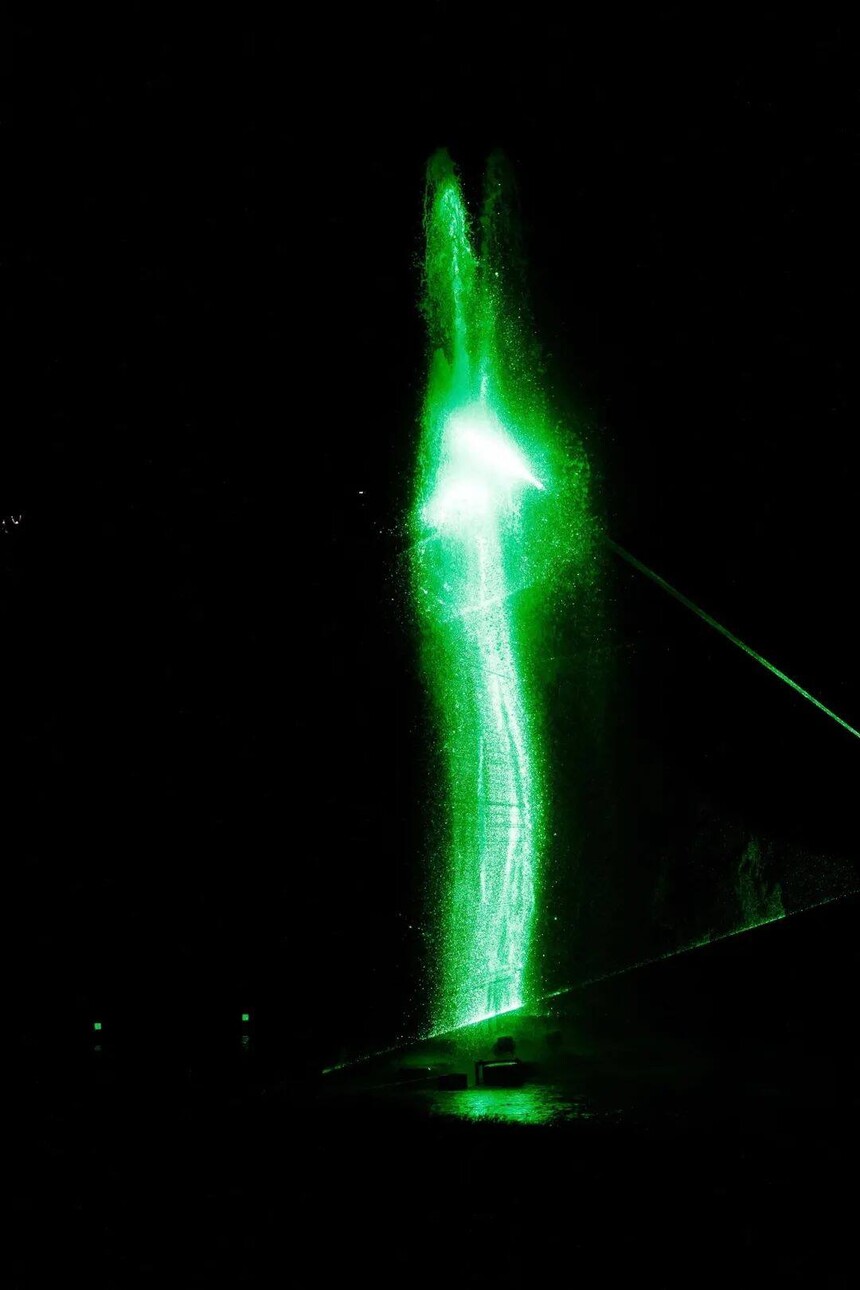
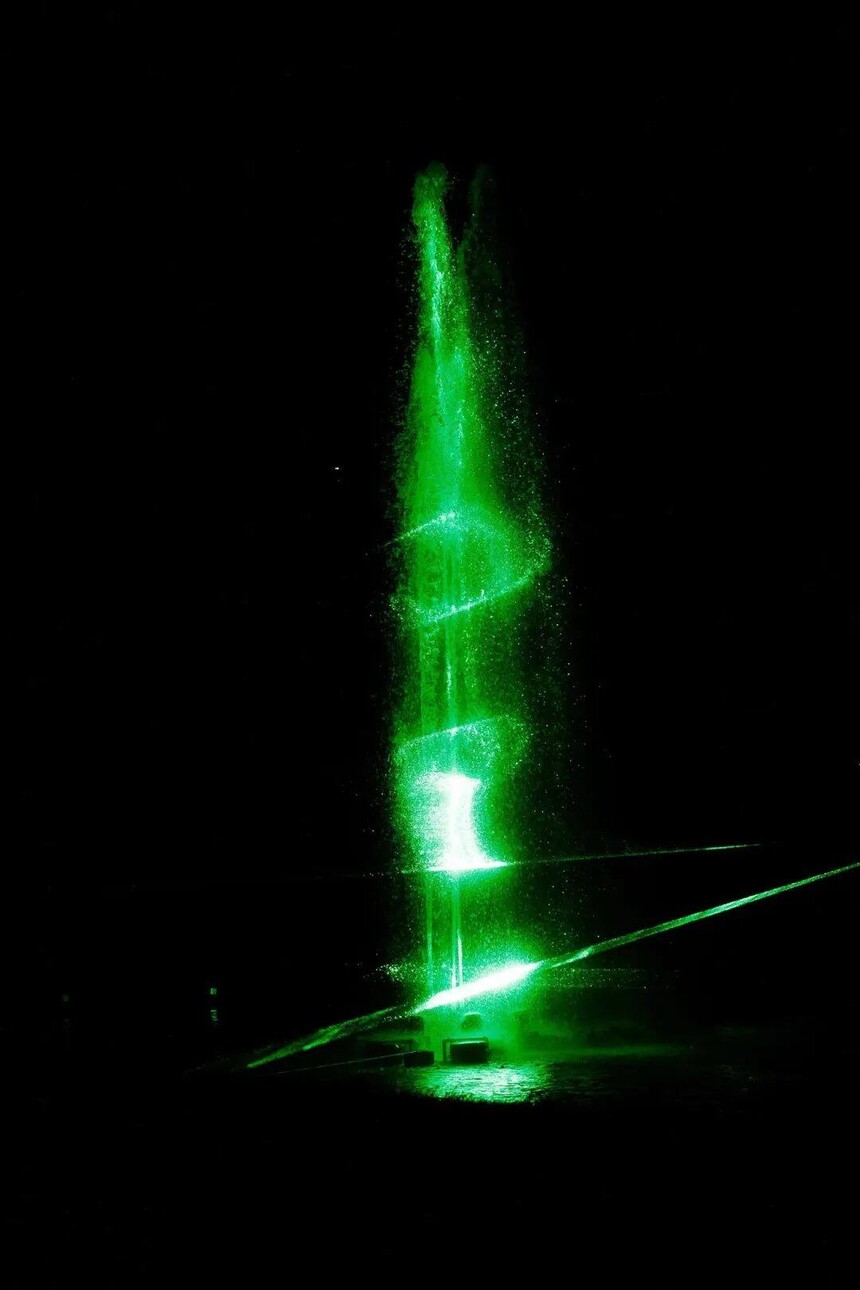
"Lighthouse" The "Lighthouse" installation is a 30-meter-high column with dazzling lasers. Its top resembles a tangled mass of threads, and these light rays are constantly changing. The work aims to provide visitors in the park at night with a reference point, both physically and metaphorically.
Designer Denis Oding said: "The lighthouse is a symbol of hope and the right direction. When fear and doubt come, connections are broken, and landmarks are lost, you need to touch the light."
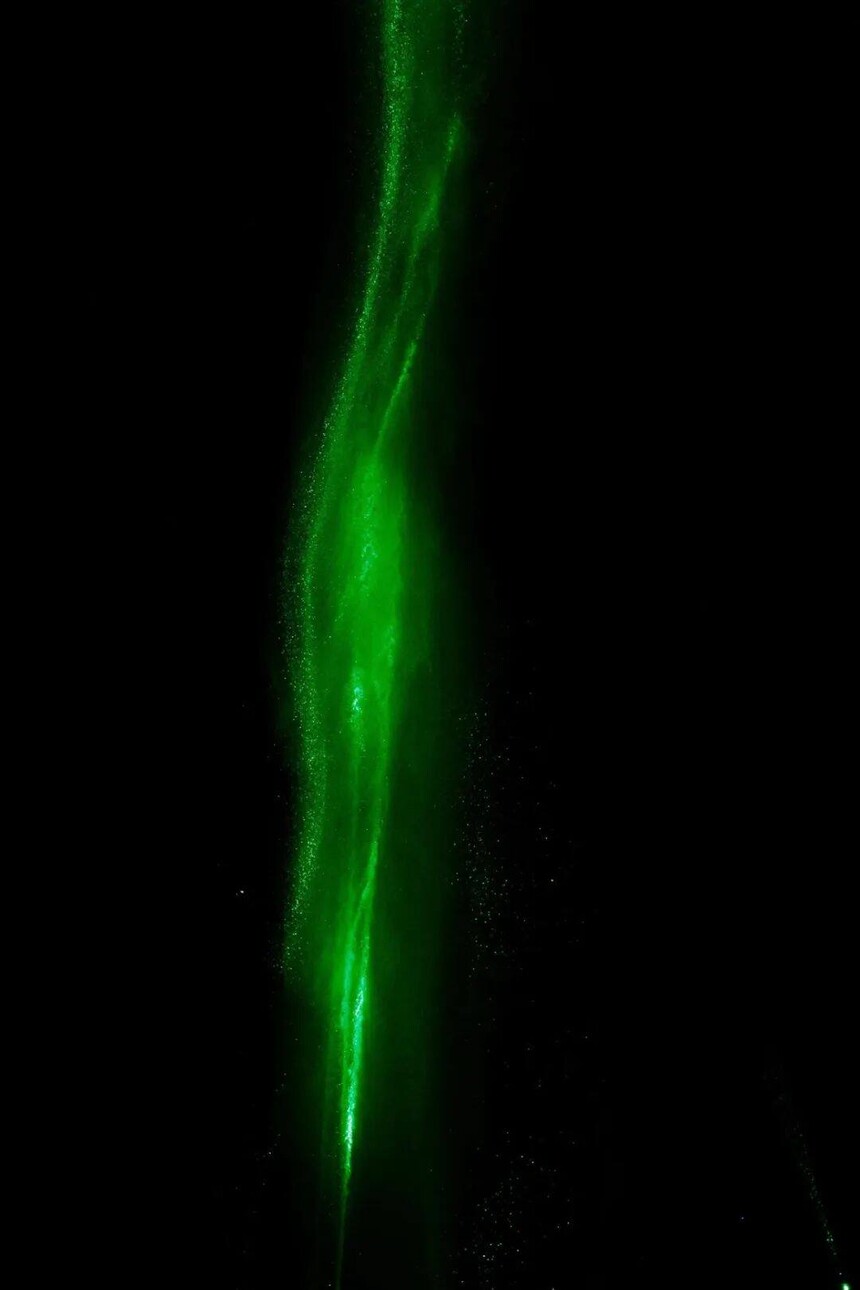
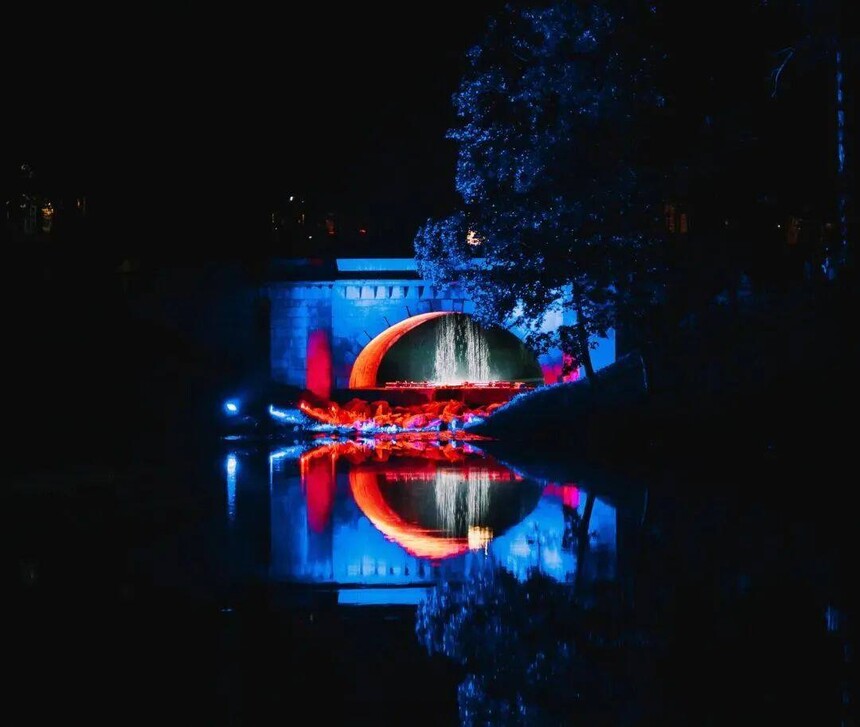
"Stream" What happens if a person becomes part of a digital system—can they still be called a human being? Who will dominate the flow of information and the flow of life? We spend 9 hours a day on our phones. Data helps us, but it also weakens us—no need to think, no need to remember. This work aims to help the audience break away from data and embrace reality: to feel alive only in nature, where the flow of water endows us with energy and gives us time to breathe.
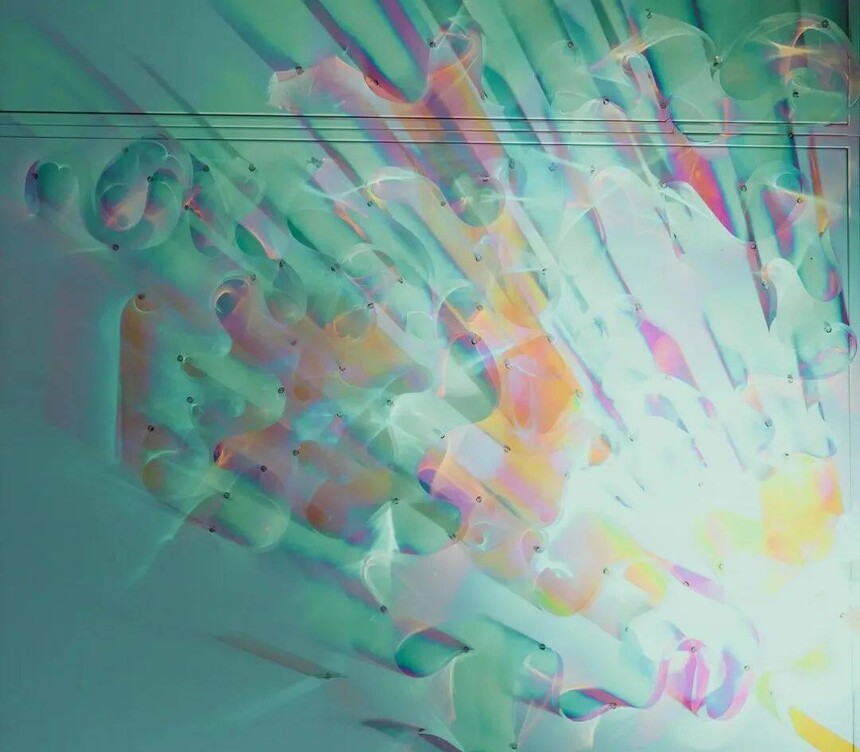
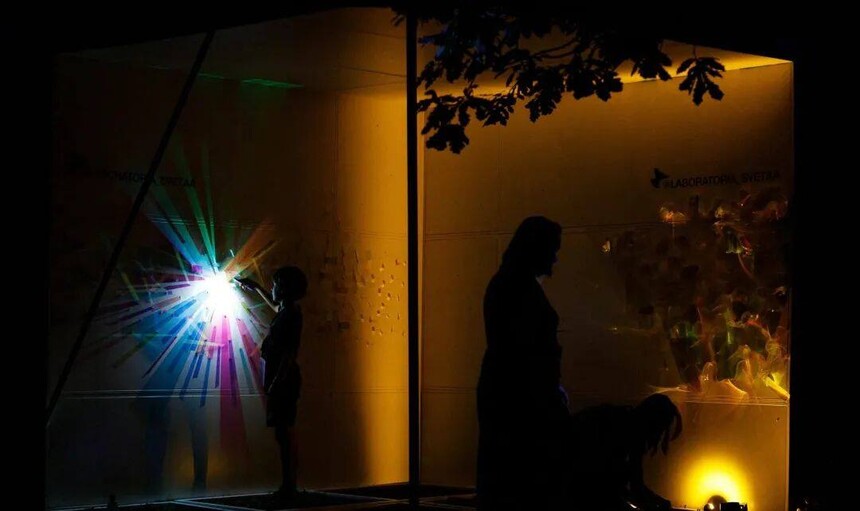
"Light Lab" "Light Lab" is a space for freedom and experimentation. Dichroic elements are placed on the white wall under the lights. These elements are transparent themselves, but under a beam of light, they paint the wall surface with bright, pure colors. This material was originally designed for the aerospace industry and has now gained popularity among contemporary artists. Similar optical effects can be found in nature, such as the wings of some tropical butterflies, pearls, and peacock tails.
In this installation, the audience can freely change the position and angle of the transparent elements, controlling their colorful reflections on the wall to create their own paintings.
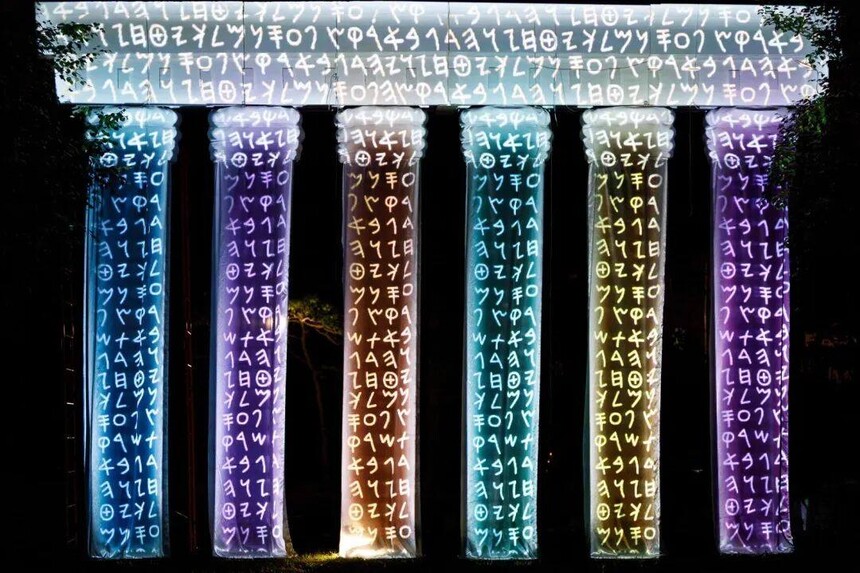
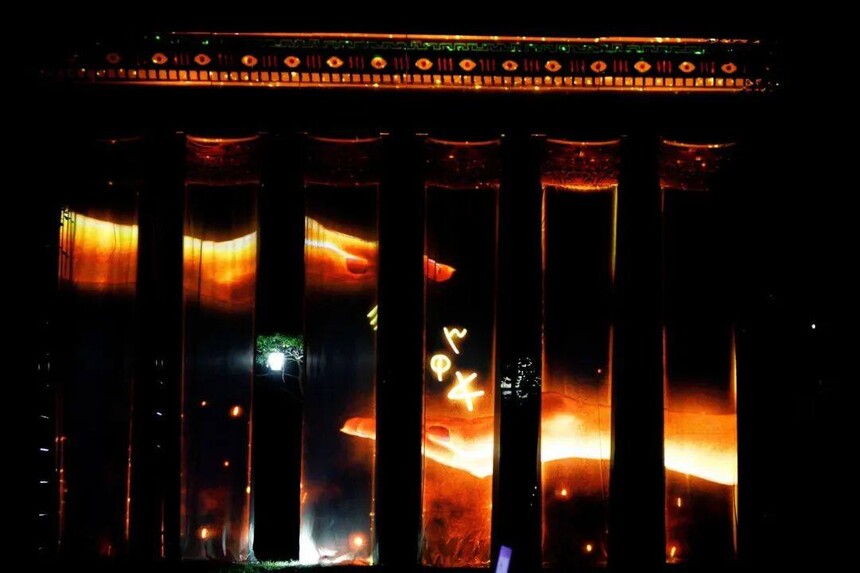
"Inside Out" Dialogue has always been the key to understanding others. In prehistoric times, people could express thoughts, needs, and feelings through paintings, dances, sounds, and gestures—their bodies helped them communicate. The alphabet did not gradually emerge until the 11th century BCE. Baalbek, a city in Lebanon, was a center of ancient civilizations: it experienced the Mesopotamian, Phoenician, Roman, Byzantine, and Ottoman Empire periods. This installation mimics the columns of Baalbek, leading the audience to ancient communication before the emergence of the alphabet, which consists of gesture interactions and visual dialogue.
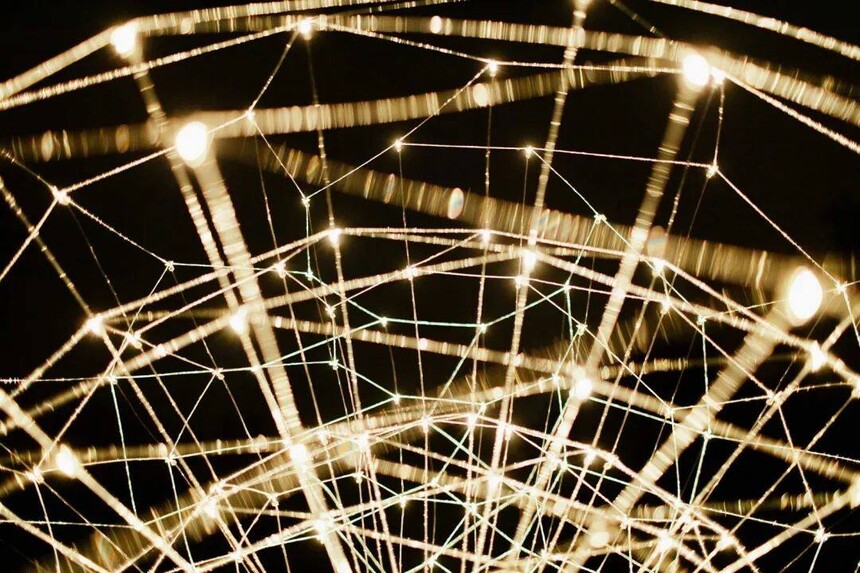
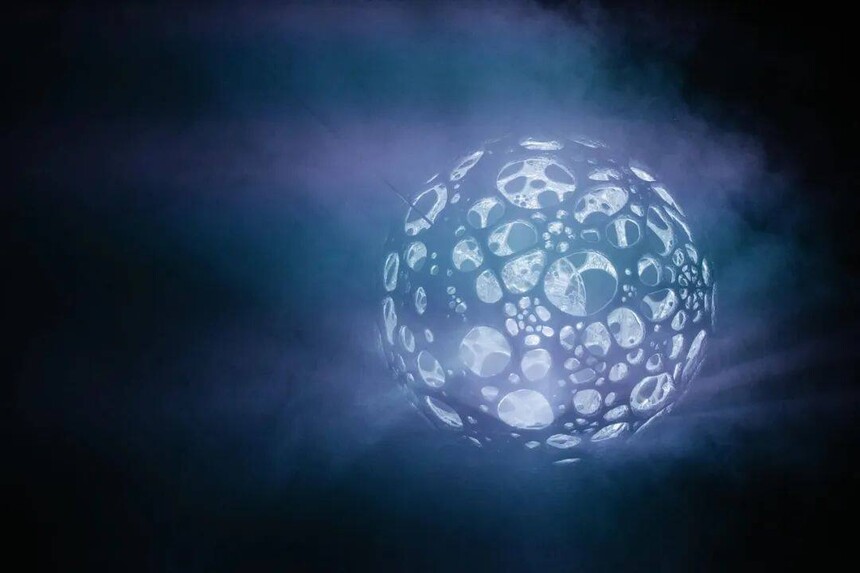
"Night Sun" The Night Sun comes from a dream—a dream about the future. People realize that the forms and patterns of architecture affect the sense of happiness and tension in the surrounding space. The angular shapes of living environments in the past separated humans from all other life forms.
According to the artist, after realizing that the angular shapes of traditional architecture can trigger conflicts, people have changed and formed livable environments by correcting pattern mistakes. Hatred is no longer the norm.
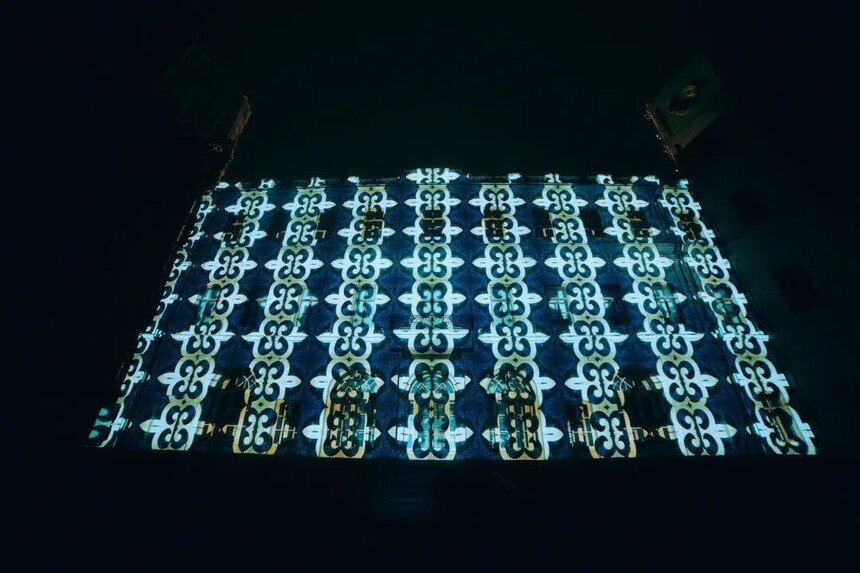
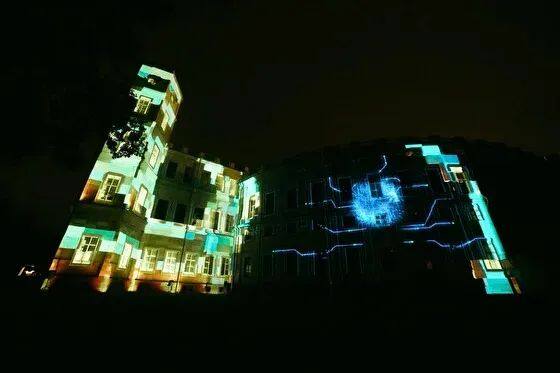
Video Mapping Works on the Side Facade of Gatchina Palace In addition to the independent installations, there are many video mapping works projected on the outer surface of Gatchina Palace. Below are brief introductions to three of them with the highest votes on the official website. "Human+" A person is created and shaped through interactions with other people, objects, science, space, and time—they are the sum of everything around them. The "+" in "Human+" serves as a prefix; whether followed by cables, electricity, smartphones, the Internet, or any information, it has been and remains a way for individuals and the entire society to communicate, form, and develop.
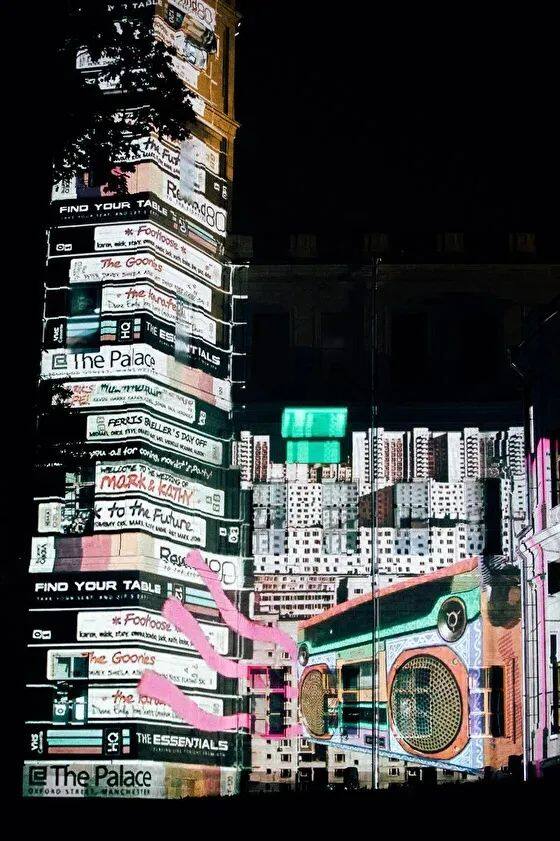
▲ Work "Human+" "Evolution of Communication" The history of the development of communication between people, from ancient times to the present, is contained in metaphorical, visual, and sound images. This projection work helps the audience embark on a journey—from the origin of civilization, simple and insignificant sound signals, to the rapidly developing modernity, where its complex and rich flow of information quickly penetrates people's lives.
▲ Work "Evolution of Communication"
"Connection"
From birth, a person has an impulse to capture the connection between themselves and others. "Connection", a video installation and performance designed by artist Olga Sid, tells the story of a hero searching for their kind.
The project is based on three main ways of interaction: sound, movement, and touch. The contact identifier between the viewer and the character becomes a set of glowing suits that capture signals and transmit them through glowing brightness, dynamics, and colors. |
|
|
Tel:86-0769-81511566 Fax:86-0769-81511566 E-mail:salea@ggdlighting.com Web:www.ggdlighting.com Address:No. No. 6, Beiyuan Road, Jianghai District, Jiangmen City, Guangdong Province |
